‘I was never taught about black history at my special school,’ activist and researcher Paul Christian told me. ‘As an adult, this information wasn’t available in a format I could understand. Because of that, I feel I lost a part of myself’.
Christian, who has collaborated with the George Padmore Institute (GPI) to create a series of black history easy reads, is among the many incredible people who share their stories of activism and awareness-raising in my new book, Double Discrimination: People of Colour with Learning Disabilities Defying Ableism and Racism.
Double Discrimination, influenced by my learning disabled sister Raana, investigates how race and learning disability intersect – an overlooked intersection.
Systemic inequality and discrimination are widely discussed, but the overlapping layers of prejudice for people of colour with a learning disability often go unrecognised. So although white privilege, unconscious bias and institutional discrimination have become high-profile issues, learning disabled people of colour continue to be excluded from these conversations.
My book is a response to that gap – an attempt to right that wrong. It also introduces the historical context of attitudes towards race and learning disability, noting how real change begins only when we listen to and value those with lived experience. Who's missing from the stories we read, from the communities where we live, from the places where we work or go out?
These are among the threads that drew me to the GPI easy reads project.


When I was researching the book, I knew I had to involve Christian and his easy reads collaborators – co-researcher Sue Ledger and GPI Archivist Sarah Garrod – because it is almost impossible to find any easy to understand and freely available information about Black British history. I document the GPI project in detail in Double Discrimination, featuring the innovative work as a shining example of what’s possible in terms of inclusion and accessibility, and also in terms of how to be an ally.
The project highlights how people with learning disabilities should have the same rights as everyone else to hear about news, current affairs and history. Paul Christian is encouraging people to claim their right to better understand history and, as I quote him in Double Discrimination:
‘By making the news and campaigns like Black Lives Matter more accessible we can be included in the fight to end racism. Understanding the history is important in taking part as a person with a learning disability in work to fight discrimination.’
What struck me when I met Christian, Ledger and Garrod at the GPI is their clear desire for the work to inspire other archives to produce accessible resources. Garrod, an ally in the movement to challenge ableism and racism, also told me:
‘I’d hope we could open up more of our resources in this way, making them more engaging and easier to follow for more people’.
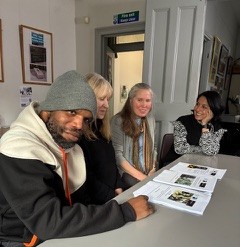
I agree with Paul Christian that ‘information is power’ and so one of the first steps in tackling racism is talking or finding some way to communicate about it.
Knowing more about our histories gives us a sense of our own identities, as Christian also told me. People often see themselves as being ‘less than’, so by sharing the work of GPI co-founder John La Rose, the easy reads might help people to be proud of their culture.
So I want to leave the last word to Paul Christian:
‘It’s important we speak up and claim our right to better understand history and the contributions of the black community, past and present. This gives people pride, strength and power.’
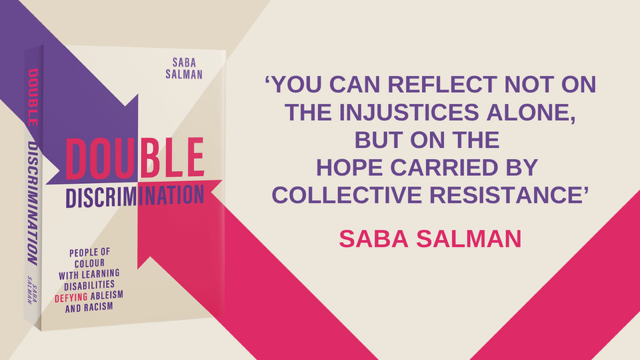
Saba Salman is a journalist and author of Double Discrimination published by Jessica Kingsley 2026.
.png)